We are living in a world where the way we see, hear, and share information has become more critical than ever. Be it a boardroom presentation, a classroom lecture, or a large-scale event, the quality of your media experience determines how well you capture and keep your audience’s attention. That’s where audio visual solutions make a huge difference. Reputed audio visual solutions providers in OMAN, like Al Nahla, will offer a seamless and immersive experience.
At Al Nahla A/V Solutions, we believe that exceptional audio visual service is more than just installing gear. It's about designing experiences that resonate, endure, and adapt. In this post, we’ll explore how modern audio visual solutions transform spaces, delve into technical best practices, and show how we deliver top-notch audio visual service for every project.
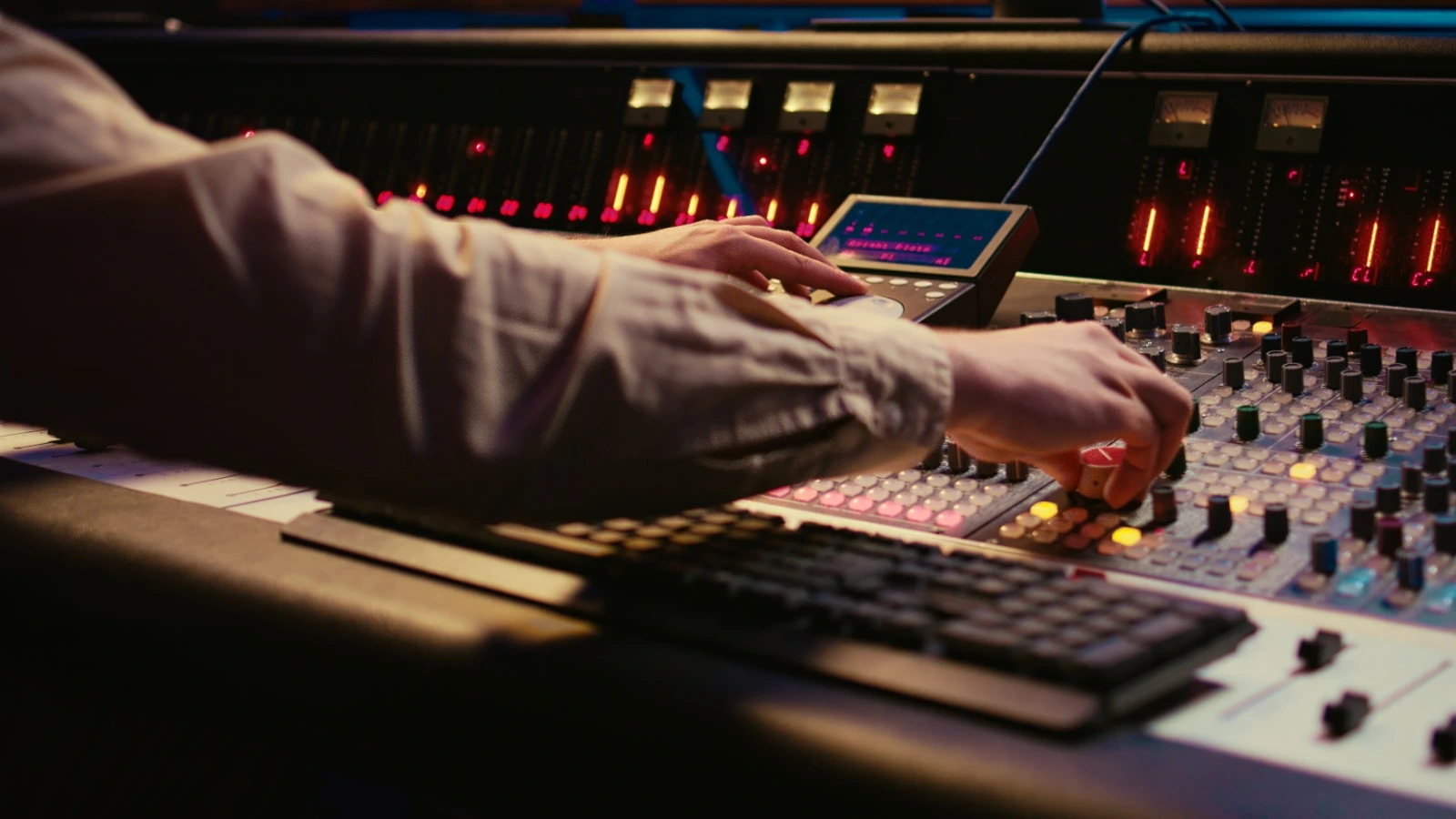
Why Audio Visual Matters More Now Than Ever
The world has come a long way! Just a decade ago, projectors were cumbersome, sound systems were inconsistent, and remote presentations were far from seamless. Now teams collaborate across continents, presentations happen live and online simultaneously, and audiences demand clarity, interactivity, and reliability.
Good audio visual solutions aren’t just “nice to have.” They are fundamental aspects of educational institutions, corporate offices, houses of worship, hotels, conference centers, and event venues. Users will stay engaged and focused when audio is crisp, video is uninterrupted, and controls are intuitive, and users are engaged. However, achieving this level of craft is demanding, and it requires deep technical knowledge, holistic design, and ongoing support.
It is in these scenarios that audio visual service providers like Al Nahla step in. It bridges the gap between aspiration and execution.
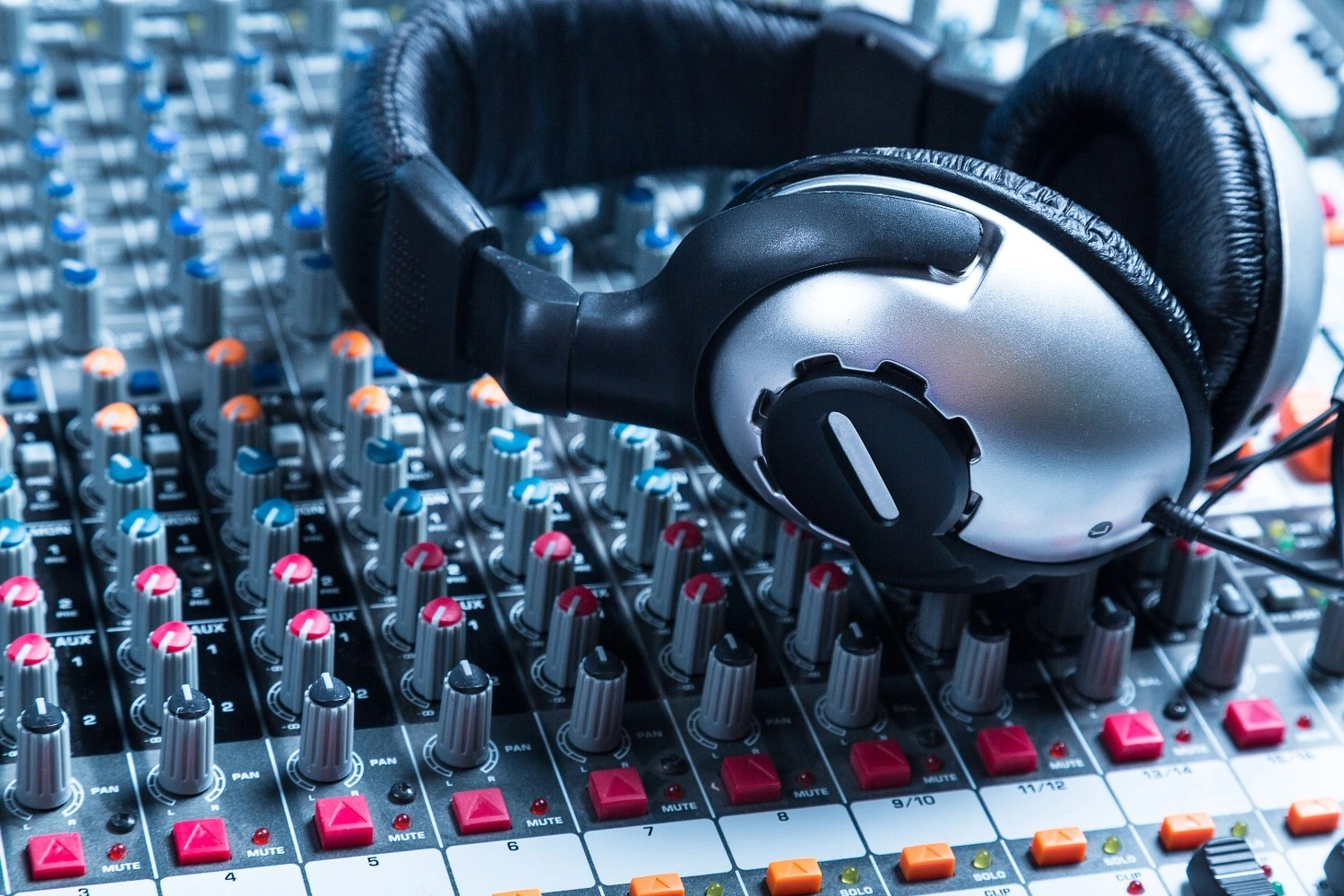
What is Audio Visual Solution, and What does It Include?
As the name suggests, audio visual solution is an integrated solution that combines sound and visuals to enhance communication, collaboration, and experience in various environments. For many, the term AV is simply a projector and speakers. But the true scope of them goes far beyond. They integrate multiple subsystems into unified, user-friendly systems. Some of the key components include:
- Display and Projection Systems:
- Sound and Acoustics
- Signal Routing & Switching:
- Control & Automation:
- Cameras & Video Conferencing:
- Collaboration & Presentation Tools:
- Rack Systems & Cabling Infrastructure:
- Integration & Support:
LED video walls, laser projectors, and LCD/LED screens that are optimized by size, viewing distance, brightness, and ambient light.
Microphones, amplifiers, speakers, DSP (Digital Signal Processing), and acoustic treatments are mainly used for clarity, coverage, and minimal echo.
Matrix switchers, AV over IP, extenders, and distribution amplifiers for ensuring sources (laptops, cameras, and IPTV) go where needed.
Touch panels, control processors, and scripting logic for one-touch room control over lights, screens, projectors, and mics.
PTZ cameras, multi-camera setups, auto tracking, video codecs, and camera control systems are used in facilitating remote collaboration.
Wireless screen sharing, annotation systems, digital whiteboards, and audience polling to increase interactivity.
Structured cabling, patching, power management, and ventilation. These are the backbone of reliability.
System commissioning, calibration, training, maintenance, and remote monitoring for securing lasting performance.
Al Nahla, as a reputed provider of audio visual solution in Oman, incorporates all these modules to provide you with a user-friendly, scalable system.
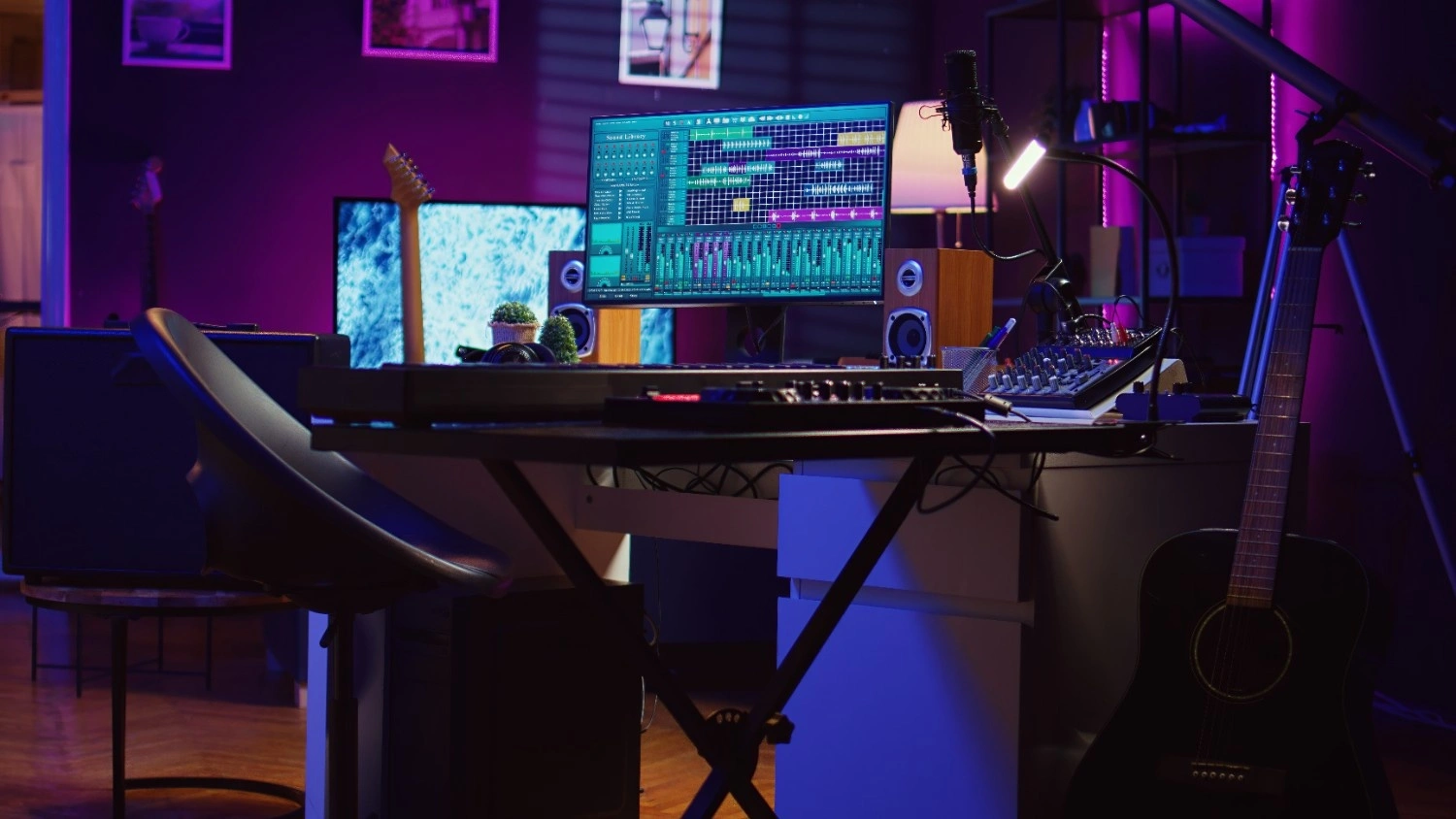
Trends and Advances in the Audio Visual Landscape
The audio Visual landscape is a constantly evolving sphere. In order to stay relevant, an audio visual service provider should always stay ahead of the curve. The following are some of the key trends that are shaping the industry.
AV Over IP & Networked Media:
Rather than point-to-point HDMI runs, media is now carried over LANs using standards like Dante, AVB, NDI, or SMPTE ST 2110. This lets you “route pixels like packets.”
Cloud & Remote Management:
Systems now come with cloud-based monitoring, firmware updates, alerts, and diagnostics. It enables proactive audio visual service even off-site.
Artificial Intelligence & Auto Control:
Auto framing, speaker tracking, voice enhancement, and room-sensing lighting are becoming standard.
Immersive Experiences & LED Walls:
LED displays, holographic projection, curved video walls, and virtual sets in hybrid events elevate engagement.
Unified Communication & BYOM (Bring Your Own Meeting):
AV systems now natively support multiple meeting platforms (Teams, Zoom, Webex) and allow participants to bring their own devices seamlessly.
Sustainability & Energy Efficiency:
Eco-friendly displays, intelligent standby modes, and optimized power management are now expected.
Scalable Modular Design:
Systems are built in modular blocks, so small rooms can grow into large spaces without re-engineering completely.
By embracing these trends, Al Nahla, the best audio visual service provider in Oman, delivers future readiness to the customers.
What are The Key Considerations When Planning Your AV Deployment
Make sure you review all the vital planning checkpoints before you sign a contract or start shopping for gear.
1 . Room Acoustics & Ambient Conditions
Sound behaves unpredictably in rooms that don’t have proper acoustic treatments like sound-absorbing panels, diffusers, or insulation. Sound waves reflect randomly off walls and ceilings in these conditions. To achieve optimal clarity, you have to analyze reverberation time (RT60), background noise level, floor layouts, and HVAC noise.
2 . Audience Sightlines & Seating
You have to consider the audience's sightlines and seating while planning AV system installation. Viewing angles, screen height, and sightlines play a crucial role in effective installation. You have to plan for both front and back rows and make sure every viewer has optimal visibility.
3 . Source Diversity & Signal Compatibility
Plan for adapters, switchers, and auto-detection for smooth connectivity because users will connect their laptops, tablets, HDMI/USB-C or legacy VGA. Devices will be frequently switched during sessions, so plan cable management and port accessibility in a quick and clutter-free way.
4 . Latency and Sync
Audio-video synchronization is a crucial aspect in live streaming or multi-camera setups. Use frame buffers and synchronization protocols to avoid lip-sync issues. Even a small delay has the potential to break viewer immersion and affect the overall experience.
5 . Control Logic and Ease of Use
You should design your control interface to be as simple and intuitive as possible. Limit options to only what users need. A clear layout and consistent labeling help users operate systems confidently without technical support.
6 . Redundancy & Backup Paths
Even a brief system outage can interrupt critical communication or live events. Build in monitoring systems that alert technicians immediately when a fault occurs, ensuring quick recovery and minimal downtime.
7 . Maintenance and Remote Monitoring
Incorporate network-enabled gear that supports SNMP, alerts, and remote diagnostics. Plan for firmware updates, spare parts, and cleaning schedules. This helps technicians identify and resolve issues before they impact performance.
8 . Budget vs. Quality Balance
Prioritize user experience over overspending on unnecessary specs. It’s better to invest in calibration, acoustic treatment, or service than overspending on a high-end projector you can’t optimally use.
If you check these boxes early, your audio visual solutions deployment is less likely to hit surprises down the line.
Why Choose Al Nahla for Your Audio Visual Needs?
Several companies claim to offer audio visual solutions, but the following aspects set Al Nahla AV solutions in Oman apart.
1 . End-to-End Expertise
Al Nahla manages the entire lifecycle of AV solutions installation. From needs assessment, concept design, equipment selection, and installation, to calibration and post-deployment support, we offer support at all stages.
2 . Custom, Solution-Centric Design
After carefully analyzing your audience size, room acoustics, layout, ambient light, and future expansion, we suggest a custom package for you. Then we craft a bespoke audio visual solution tuned to your environment.
3 . Best-in-Class Brands & Integration
We partner with leading AV manufacturers and ensure seamless interoperability, avoiding one-size-fits-all mistakes common in DIY integrations.
4 . Proactive Technical Support & Maintenance
Your system will always stay reliable because we offer audio visual services that go far beyond installation. Our services include health monitoring, preventive maintenance schedules, and fast-response troubleshooting.
5 . Training & User Empowerment
A system is only as good as its users. We provide hands-on training, user guides, and support to make your team confident in daily operations.
6 . Scalable, Future-Proof Design
Whether toward hybrid work, increased capacity, or emerging display technologies, all our solutions accommodate upgrades.
With Al Nahla you are not just investing in gear, you are investing in peace of mind, performance, and long-term ROI.
Conclusion
Nowadays, audio visual systems are no longer a technical factor, but they play a key role in setting your organization apart from others. Whether in education, corporate, hospitality, entertainment, or worship settings, users expect clarity, fluidity, and ease. With thoughtfully engineered audio visual solutions and responsive audio visual service, every presentation, meeting, or event becomes more impactful.
When it comes to Al Nahla , we partner with you as a trusted AV advisor, not just as a vendor. We guide you from conception through installation, calibration, training, and maintenance, ensuring your investment pays off in engagement, reliability, and longevity.
Frequently Asked Questions
What’s the difference between “audio visual solutions” and “audio visual service”?
Audio visual solutions refer to the complete system that includes hardware, software, cabling, control logic, displays, and integration. Audio visual service refers to the ongoing support: commissioning, calibration, troubleshooting, maintenance, updates, and user training.
How do you ensure that AV systems remain future-proof?
By adopting modular, scalable designs, using open standards (e.g., AV over IP), allowing capacity headroom, selecting upgradeable hardware, and building in spare pathways. Also, with remote monitoring and firmware management, we can adapt systems to new requirements without overhauling everything.
What is the typical turnaround time for designing and deploying AV solutions?
It depends on scale and complexity. For a small meeting room, a few weeks may suffice (survey → design → install → test). For large lecture halls, multi-room campuses, or event venues, phases can stretch 8–16 weeks or more. We always provide a project timeline during the proposal phase, including a buffer for calibration and adjustments.
Do you provide custom solutions for customers?
Absolutely! Al Nahla doesn’t push standard packages. We only provide custom solutions after analyzing all your requirements.